

Living in Normanton on the Wolds: A Local Area Guide
Normanton on the Wolds is a small and highly sought-after village south-east of Nottingham, positioned between Tollerton, Plumtree and Keyworth and immediately beside the A606 Melton Road.
Its mature trees, red-brick boundary walls, substantial detached houses, paddocks and historic properties create one of the most secluded and premium village environments in southern Rushcliffe.


About Normanton on the Wolds
Normanton on the Wolds is a small village in Rushcliffe, around six miles south-east of Nottingham and immediately off the A606 between Tollerton and Stanton on the Wolds.
The village has long been closely associated with neighbouring Plumtree and sits within the rolling Nottinghamshire Wolds landscape.
It is particularly distinctive for its large detached homes, mature gardens, specimen trees, tall hedgerows and long red-brick walls, giving the historic core an unusually private and enclosed feel.
History and village character
Normanton on the Wolds has Saxon origins and appears in the Domesday Survey as Normantone.
Archaeological evidence includes four Saxon burials discovered close to the Fosse Way, thought to date from the fifth or sixth century.
Before the Norman Conquest, the manor was held by a landowner named Unfac. After the Conquest it passed to Roger de Busli.
What's in the name?
The name Normanton is generally understood to derive from Old English words associated with a farmstead or settlement of Norsemen or northern Vikings.
The “Wolds” element refers to the rolling upland landscape in which the village sits.
Old Melton Road
Normanton formerly sat directly on the principal road towards Melton Mowbray. The modern A606 now bypasses the historic village core, helping Old Melton Road retain a much quieter residential character.
Normanton on the Wolds Conservation Area
The Normanton on the Wolds Conservation Area was designated in 1990.
It covers approximately 34.3 hectares and contains four Grade II listed buildings.
Following a recent review, the Conservation Area boundary was formally extended on 10 September 2025.
Why Conservation Area status matters
Alterations, development and tree works within the Conservation Area can require additional planning consideration.
Rushcliffe requires six weeks' notice before many works to trees within the Conservation Area, even where an individual tree is not already protected by a Tree Preservation Order.
Normanton House and historic homes
Normanton contains several substantial historic residences that contribute strongly to the village's high-value property character.
Normanton House
Normanton House on Old Melton Road is Grade II listed.
It dates principally from the late eighteenth century, with nineteenth-century alterations and extensions, and is built in red brick with stucco detailing.
Large landscaped plots
Rushcliffe's Conservation Area appraisal identifies generous private grounds, specimen trees, formal lawns and ancillary buildings as some of the village's defining features.
A specialist property market
Normanton contains a greater concentration of substantial individual houses than many neighbouring villages, including homes extending well beyond conventional family-house values.
Homes and property in Normanton on the Wolds
Normanton on the Wolds has one of the more premium and specialist markets in NG12.
Detached houses dominate recent sales evidence, but the village also includes period cottages, semi-detached homes, converted rural buildings and substantial country properties.
What should buyers consider?
- Conservation Area restrictions
- Listed-building status where applicable
- Tree Preservation Orders and mature landscaping
- Garden and plot size
- Private drives and access arrangements
- Drainage and surface-water information
- Condition and energy efficiency of older homes
- Planning history for extensions and conversions
- Proximity to the A606 and road noise
- Relationship with surrounding farmland and paddocks
Woodstead valuation tip
Normanton on the Wolds should be valued at individual-property level.
A conventional detached family home, a barn conversion and a multi-million-pound country residence can all sit within the same village, making a simple postcode average particularly misleading.
Schools and education
Normanton on the Wolds does not have its own school within the village.
Families generally look to nearby Keyworth, Plumtree and surrounding Rushcliffe communities for primary and secondary education.
Keyworth is particularly important for families because of its range of schools and wider everyday amenities.
Getting around from Normanton on the Wolds
Normanton is primarily a car-based village, but its location makes regional travel relatively straightforward.
A606 Melton Road
The village sits immediately beside the A606, giving direct routes towards Nottingham, Tollerton, Keyworth and Melton Mowbray.
A46
The A46 is accessible via nearby roads, providing onward travel towards Newark and Leicester.
Bus services
The parish council records Normanton as being served by the number 19 route connecting Nottingham and Melton Mowbray.
Current routes and frequencies should always be checked before relying on public transport for a move.
Rail travel
The village does not have a railway station. Depending on destination, residents can consider Nottingham, Bingham or East Midlands Parkway for rail travel.
Local amenities and everyday life
Normanton itself has relatively few conventional amenities, which contributes to its private rural character.
Countryside, footpaths and wildlife
Normanton's green landscape is one of its defining strengths.
The village is surrounded by open arable fields, pasture, woodland and mature paddocks, while public rights of way provide access into the wider countryside.
Normanton Pastures
Normanton Pastures is designated as a Site of Special Scientific Interest and forms part of the wider rural landscape around the parish.
Medieval ridge and furrow
Several surrounding fields retain visible ridge-and-furrow earthworks, reflecting the medieval agricultural history of the area.
Wildlife
Rushcliffe's conservation appraisal records regular sightings of red deer, muntjac, badgers and foxes around the village.
Who is Normanton on the Wolds best suited to?
Normanton on the Wolds property market
Normanton is a low-volume, high-value market where individual premium transactions can have a substantial effect on the headline village average.
Rightmove's current average over the last year.
Detached five-bedroom property sold in November 2025.
Detached four-bedroom property sold in December 2025.
Detached property on Old Melton Road sold in January 2026.
Woodstead's view of Normanton on the Wolds
Normanton on the Wolds is one of the strongest premium residential micro-markets in southern NG12.
The village has a very different feel from nearby Keyworth. Buyers are generally choosing Normanton for privacy, plot size, mature landscaping and individuality rather than for walkable shops or a large village centre.
The conservation setting plays an important role. Old Melton Road's brick walls, mature hedges and overarching tree canopy create an environment that feels established and prestigious, particularly around the larger detached homes.
Current asking prices also show how far the upper end of the village market can extend, with substantial homes marketed well above £1 million and selected country properties approaching £3 million.
For sellers, premium presentation is essential. Photography should showcase gardens, frontage, mature trees, interior scale, ancillary accommodation and any land or outbuildings rather than focusing solely on internal rooms.
Pricing needs to be evidence-led but highly bespoke. The £917,500 headline average is useful context, but it cannot sensibly value every home in a village where recent transactions range from conventional detached houses to substantial country residences.
Normanton on the Wolds area guide FAQs
Where is Normanton on the Wolds?
Normanton on the Wolds is an NG12 village in Rushcliffe, around six miles south-east of Nottingham and close to Plumtree, Tollerton and Keyworth.
Is Normanton on the Wolds a Conservation Area?
Yes. The village Conservation Area was designated in 1990, covers approximately 34.3 hectares and had its boundary formally extended in September 2025.
How many listed buildings are in Normanton on the Wolds?
The Conservation Area contains four Grade II listed buildings.
What types of property are found in Normanton on the Wolds?
Housing includes period cottages, detached family homes, barn conversions, large executive houses and substantial country properties with land.
How much do homes cost in Normanton on the Wolds?
Rightmove currently reports an overall average sold price of £917,500 over the last year. Because the number of transactions is low and individual properties vary considerably, the average should be treated as market context rather than a valuation.
Does Normanton on the Wolds have a pub?
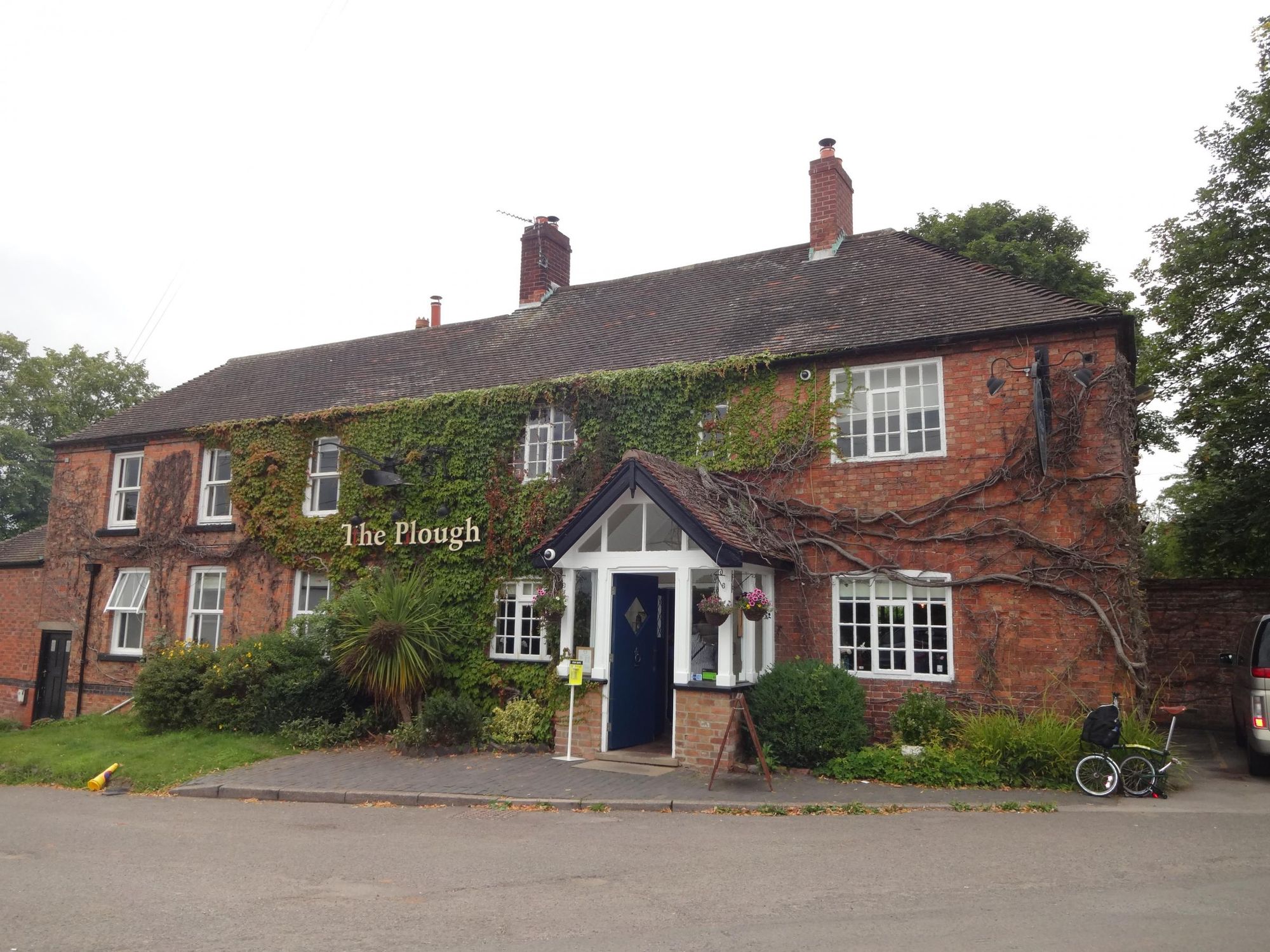
Yes. The Plough on Old Melton Road is a longstanding village pub and one of Normanton's principal landmarks.
Does Normanton on the Wolds have a school?
No. Families generally use schools in surrounding villages and towns, particularly nearby Keyworth.
Is Normanton on the Wolds suitable for commuters?
Yes. The village sits immediately beside the A606 and provides convenient road access towards Nottingham and the wider region.
What makes Normanton on the Wolds desirable?
The village combines large mature plots, substantial detached homes, conservation character, countryside and convenient access to Nottingham and Keyworth.
How should a Normanton on the Wolds property be valued?
A valuation should consider the exact building, road, floor area, plot, mature landscaping, conservation or listed status, outbuildings, land, parking and comparable sales. Village-wide averages are particularly unreliable for large individual properties.
Thinking of moving to or selling in Normanton on the Wolds?
Woodstead Sales & Lettings helps homeowners, buyers and landlords across Normanton on the Wolds and the wider NG12 area. With such a high-value and individual property market, a property-specific valuation and premium marketing strategy are particularly important here.